
MORE REASONS TO GO FARIZON
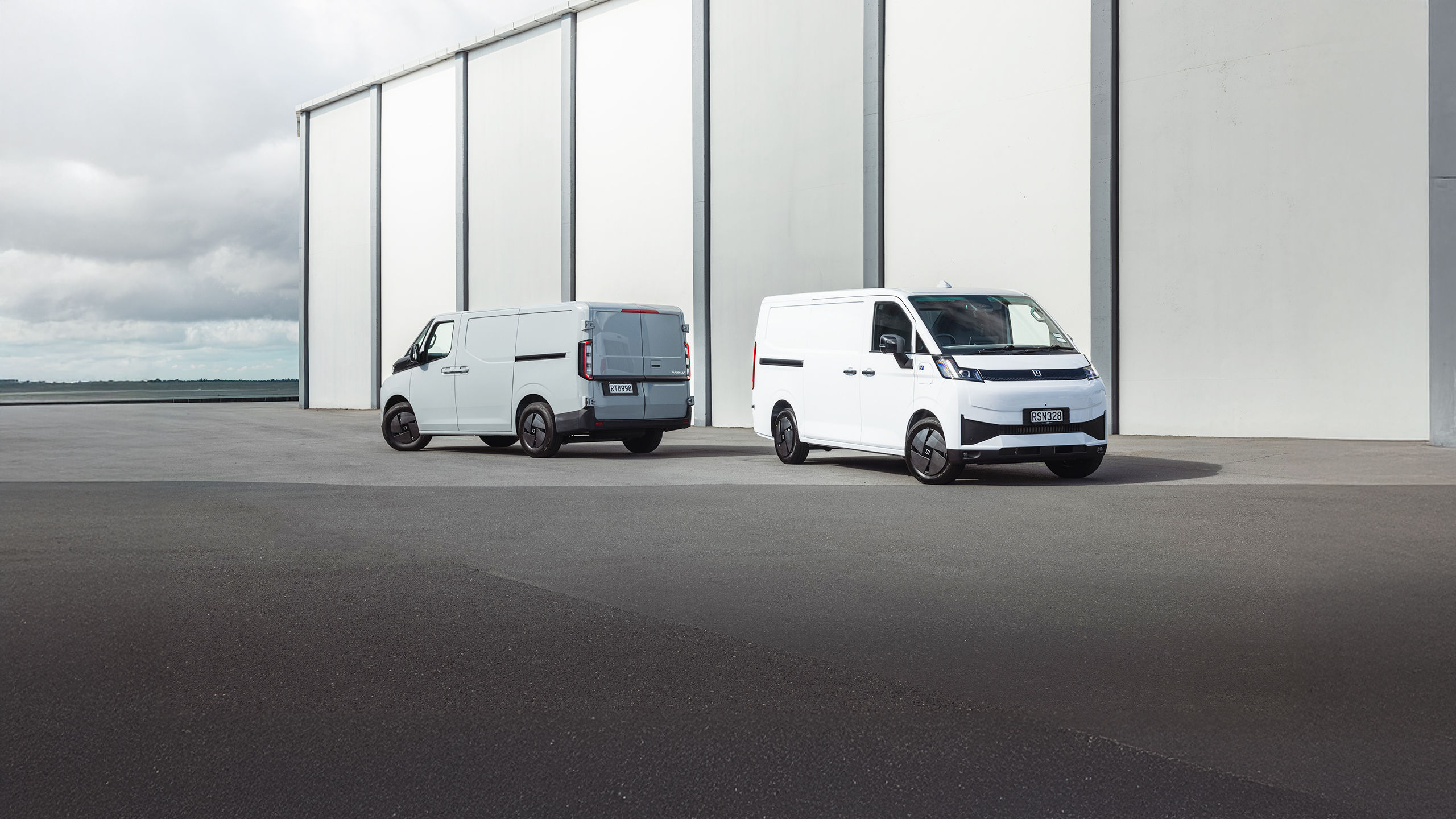
Designed from the ground up as an electric van. More range. More space. More comfort.
MORE REASONS TO GO FARIZON
TO GO FARIZON
Designed from the ground up as an electric van. More range. More space. More comfort.
More Range
Up to 376km WLTP, engineered from a ground-up EV platform. Real-world range you can plan around.*
More Space
Up to 13m³ loadspace and 1,390kg payload. No diesel transmission tunnel, no compromises.*
More Comfort
Heated steering wheel, ventilated driver seat, dual-wishbone suspension. Built for long days.*
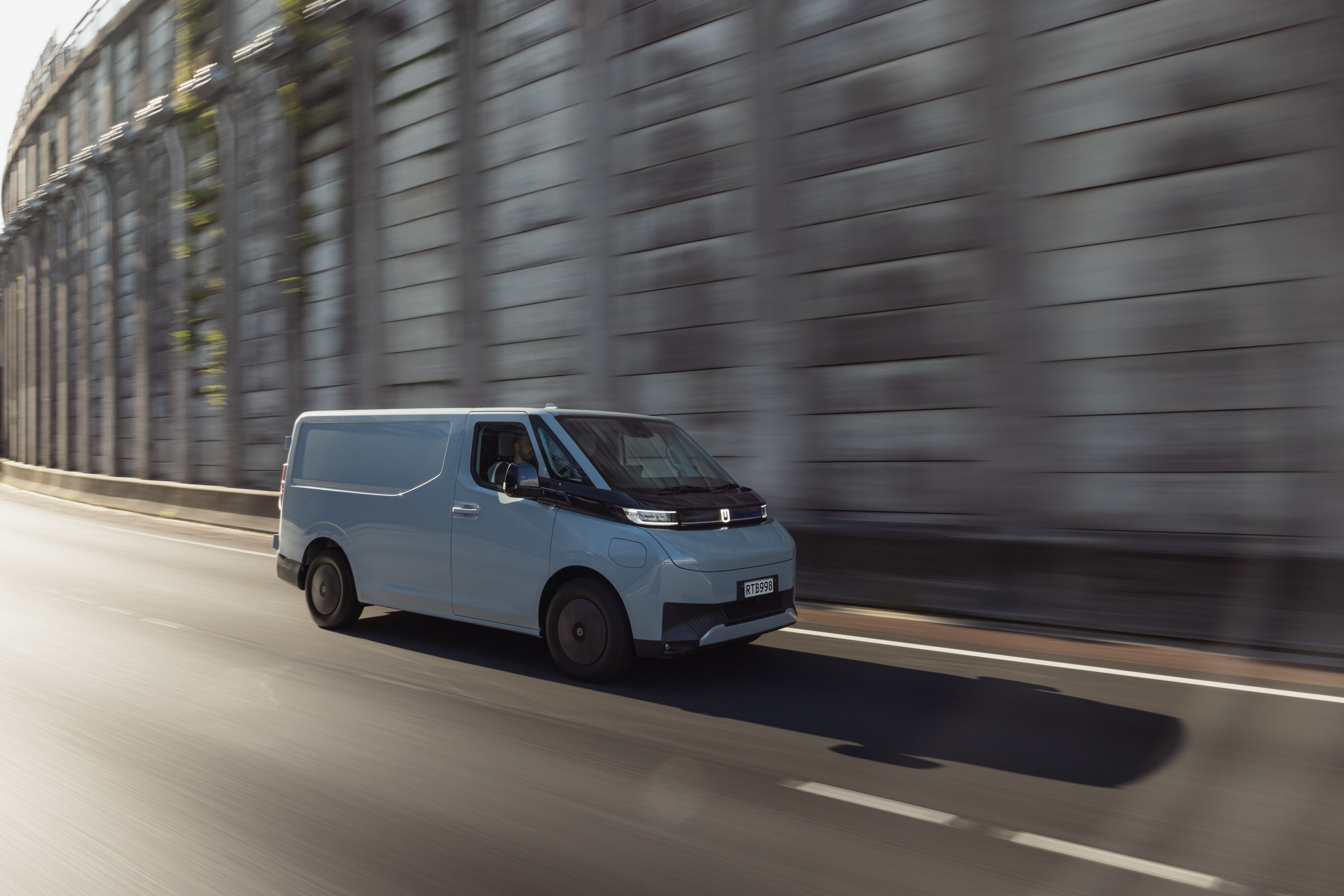
More Range
Range anxiety, retired. The SuperVan delivers up to 376km WLTP and the V7E up to 329km, both backed by aerodynamically optimised bodies with a drag coefficient as low as 0.27 Cd. With up to 170kW of power and instant torque on tap, both vans stay smooth and responsive even when fully loaded.*
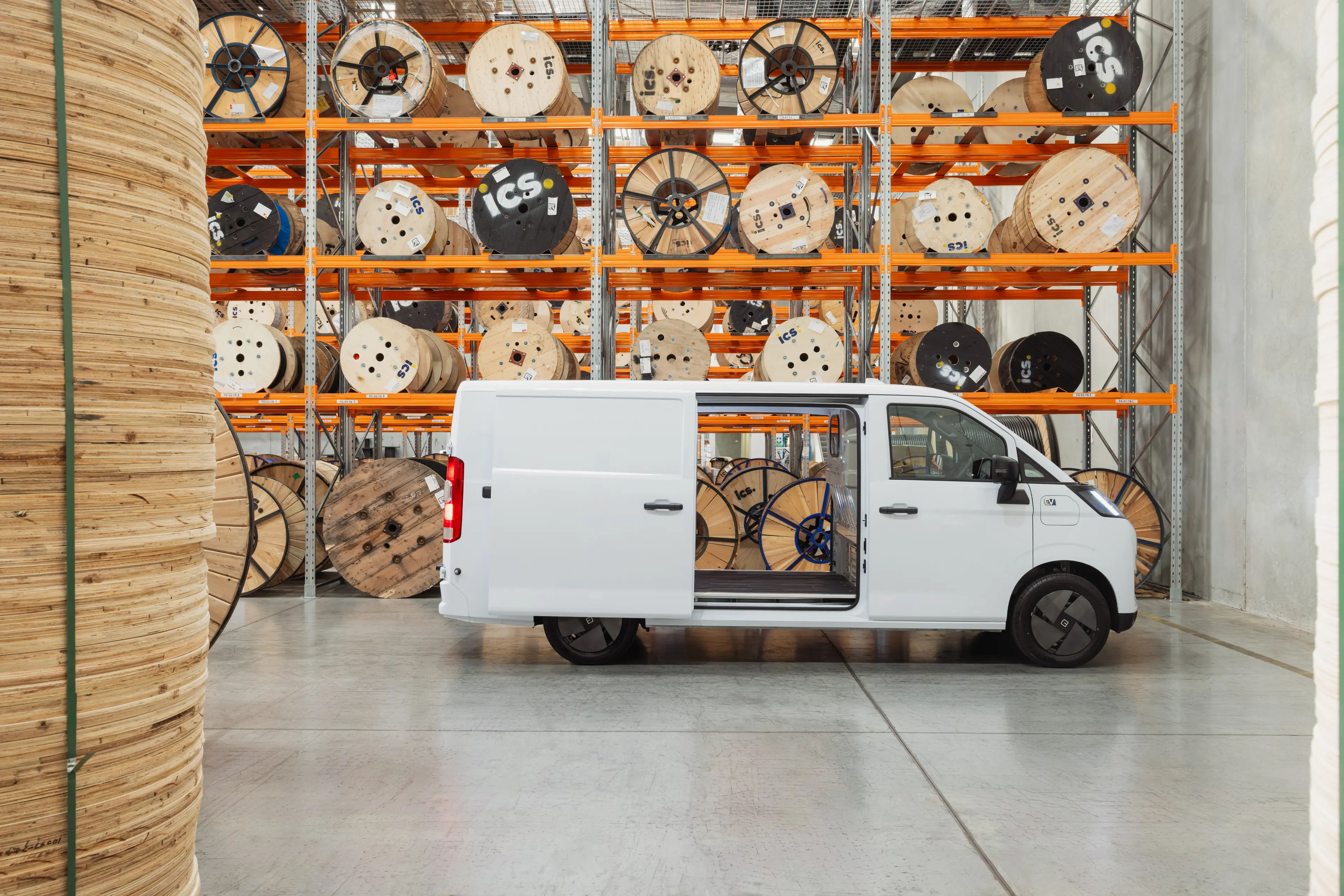
More Space
The SuperVan offers up to 13m³ of loadspace and 1,390kg payload with an ultra-low 55cm loading height and a wide side opening for fast, effortless loading. The V7E delivers 7m³ and 1,243kg in a compact urban footprint, ideal for last-mile delivery and trade work. Both vans feature a flat load floor with no transmission tunnel.*
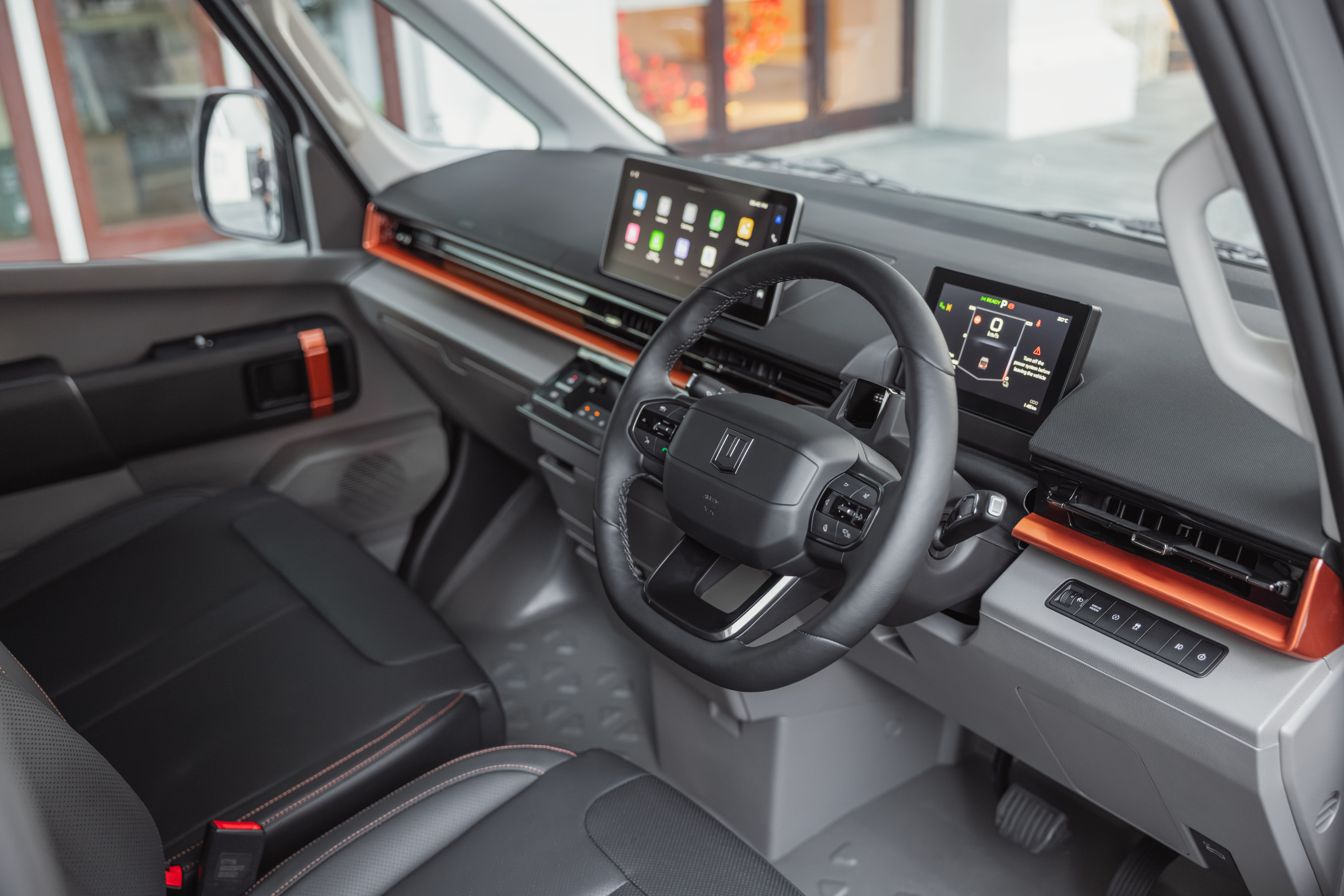
More Comfort
Both the SuperVan and V7E are built for the working day. A 12.3-inch touchscreen with Apple CarPlay and Android Auto, heated driver seat, and a full suite of driver-assist systems keep every journey comfortable. Independent front suspension delivers a car-like ride, while physical controls keep distractions to a minimum.*
See Farizon in action
Take a closer look at the Farizon SuperVan, engineered for NZ business, tested on local roads.
Explore the detail


The platform difference
Born electric, not converted.
There's a real difference between an electric van and an electrified one. A converted diesel keeps the bones of an internal-combustion vehicle, the transmission tunnel, the cooling and exhaust packaging, the underfloor compromises. Range is limited by where engineers could fit a battery, not by what the platform was designed to carry.
Farizon's SuperVan and V7E ride on platforms engineered from day one for electric drive, flat floors, optimised battery placement, integrated thermal management, and structural protection for the high-voltage pack. The result is more usable cargo space, longer real-world range, faster charging, and a quieter cabin than any retrofit can match.
Why electric makes sense for your business
Four reasons businesses across Aotearoa are making the switch.
Lower total cost of ownership
Charging is materially cheaper than diesel, especially overnight at home or depot. Service intervals are longer and simpler: no oil, no transmission service. Brake wear drops because regenerative braking does most of the slowing. Over a typical 5-year ownership cycle, the gap is real, not theoretical.
A drive your team will actually like
Quieter cabin, instant torque, no gear shifts, no diesel rattle in the morning. Heated steering wheel and heated/cooled driver seat as standard. Drivers who like their van stay in the seat longer and in a market where good drivers are hard to keep, that matters.
Future-proofed against regulation
The Clean Car Standard tightens annually for vehicle importers, FBT exemptions favour genuine work vehicles, and council-level low-emission zones are on the horizon for NZ's main centres. An electric fleet today is a fleet that doesn't need to scramble when the rules tighten.
Connected, intelligent, updateable
12.3-inch touchscreen with Apple CarPlay and Android Auto, a digital instrument cluster, eight advanced driver-assist systems standard, and real-time payload monitoring. The van keeps getting better through over-the-air software updates.
Electric van vs diesel van - the honest comparison
Three dimensions where the choice matters most.
Daily running cost
A diesel van burns fuel at every traffic light. A Farizon doesn't. At off-peak home electricity rates, an 83kWh top-up costs roughly the same energy delivery as $80–$120 of diesel for a small fraction of the price.
Service & maintenance
Diesel vans need oil changes, transmission services, fuel filters, EGR and DPF cleans. A Farizon needs brake fluid, cabin filter, coolant and a tyre rotation, every 12 months or 20,000km, whichever comes first. Lower bills, fewer days off the road.
The daily drive
Diesel: cold-start rattle, gear shifts, vibration through the steering wheel. Farizon: silence at idle, instant torque, smooth single-speed delivery. After a week behind the wheel, most drivers don't want to go back.
Distribution · Aotearoa
Find your nearest dealer
Farizon in Aotearoa - distributed by NordEast.
Farizon's growing dealer network spans New Zealand, with locations across key regions and continued expansion nationwide. Every vehicle is backed by NZ warranty, NZ service, and NZ parts logistics.
Common questions about going electric
Yes, and increasingly more reliable than diesel for fleet operators. An electric drivetrain has one moving part where a diesel has hundreds: no timing belts, no turbochargers, no exhaust after-treatment. The Farizon SuperVan is backed by a 5-year / 200,000km vehicle warranty and an 8-year / 200,000km battery warranty, terms a diesel-only competitor would struggle to match.
Almost non-existent once you've planned for the duty cycle. Most NZ light-commercial routes are under 200km a day, well inside the SuperVan's 376km WLTP range. Overnight depot charging plus 1,000+ public DC fast-charging points across the country removes the need to detour for energy on most days.
Lower across the typical 5-year ownership window. Charging is cheaper per kilometre than diesel, service intervals are longer and simpler, and brake wear is reduced by regenerative braking.
The NZ used-EV-van market is young, so headline benchmarks are still being established. What we do know: warranty cover transfers to subsequent owners, battery state-of-health is verifiable, and demand for low-emission commercial vehicles continues to grow year-on-year, including from buyers locked out of new-vehicle order books.
The Farizon battery warranty covers state-of-health falling below 70% within 8 years or 200,000km, whichever comes first. In practice, modern lithium-iron-phosphate (LFP) and NMC chemistries degrade gradually, typical real-world data shows 85–90% retention at 200,000km on comparable EV platforms.
For overnight charging, a standard 11kW AC wallbox is enough to fully recharge the SuperVan by morning. For larger sites with multiple vehicles, a load-managed depot charger setup is often the right choice. Your Farizon dealer can connect you with NZ charging-infrastructure partners.
Most operators charge at depot or home overnight and leave each morning with a full battery. For longer routes, a 20–80% DC fast-charge top-up takes 30–36 minutes, roughly the length of a coffee plus a short lunch break. There's no need to redesign your working day around charging.
Often yes. Single-vehicle owner-operators feel the running-cost difference fastest: every $80–$120 diesel fill replaced with a charge that costs a fraction of that stays in the business. If your typical day is under 200km, the SuperVan or V7E will cover it comfortably.
Ready to drive electric?
Disclaimers